The Training Routine That Built 8 Mr. Olympia Titles
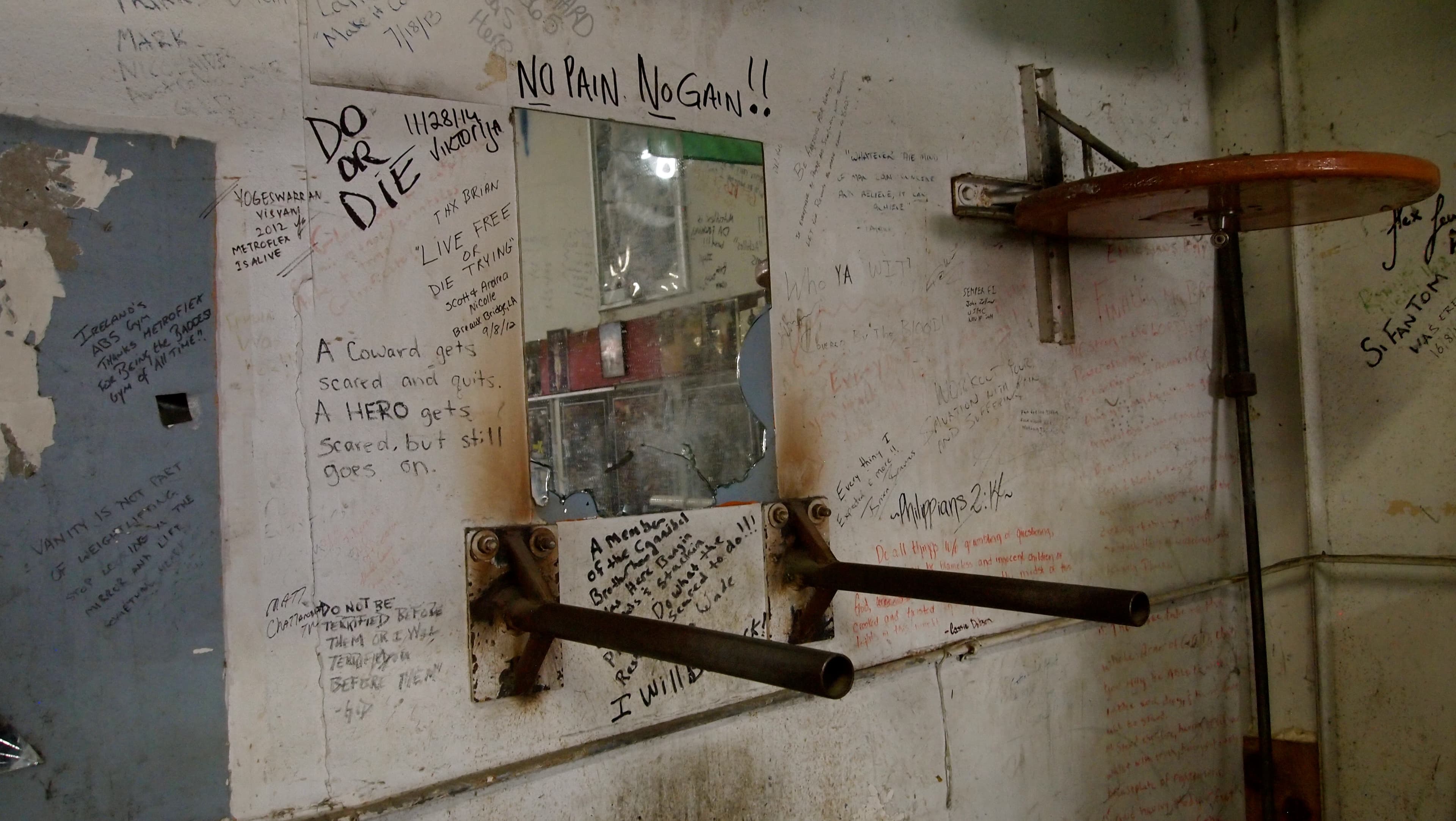
In 2003, cameramen followed Ronnie Coleman through a leg session at MetroFlex Gym Arlington. The footage became The Cost of Redemption, the most iconic training documentary in bodybuilding history. 800-pound squats. 2,300-pound leg presses. An intensity that redefined what the human body could endure.
That wasn't a one-time performance for the cameras. That was every Monday through Saturday at MetroFlex.
The Split
Ronnie ran a classic bodybuilding split, hitting each major muscle group once per week with brutal volume:
- Monday: Chest and triceps
- Tuesday: Back
- Wednesday: Shoulders
- Thursday: Back again (trained twice weekly for width and thickness)
- Friday: Legs
- Saturday: Arms and shoulders
- Sunday: Rest
The split wasn't complicated. The execution was legendary. His training partner Gus Carter loaded the plates, pushed the intensity, and showed up every single session. Jason "Big J" English, a former U.S. Army E-6, trained alongside Ronnie for over 20 years. Johnnie O. Jackson, who pulled an 832-pound raw deadlift at age 40, was right beside him on back days.
That's the environment that built 8 Mr. Olympia titles. Not a program. A culture.
The Philosophy
Brian Dobson's approach shaped Ronnie's training from day one: explosive lifting on basic movements with heavy weight, followed by stricter, concentrated work with lighter loads. Squats, deadlifts, bench press, rows. The same exercises every serious lifter uses. The difference was never the program, it was the intensity behind it and the discipline to repeat it for over a decade without deviation.
Leg Day: The Session That Defined a Career
Ronnie's leg training became the most famous workout in bodybuilding:
Squats: 6 sets, pyramiding to 800 pounds. Explosive out of the hole. Full depth every rep. Raw knees until the heaviest sets. By competition, his squat warm-up was 405, most lifters' max.
Leg press: 5 sets up to 2,000+ pounds. Every plate the machine could hold. Full range of motion. Full range of motion on every rep. The sled would bow under the weight.
Hack squat: 4 sets, 4-6 plates per side. Deep range, constant tension on the quads.
Lying leg curls: 4 sets with controlled negatives. Slow on the way down. Hamstrings screaming.
Stiff-leg deadlifts: 4 sets focusing on hamstring stretch and contraction. By this point most people would've quit. Ronnie was just getting warmed up on hamstrings.
When Gus loaded 800 on the bar before the 2003 Olympia, he turned to the camera and said: "800 solid pounds!" By the time Ronnie finished, he could barely walk out of the gym. That was the standard. Every session.
The Rest of the Week
Chest opened with barbell bench, incline press, dumbbell flyes, and cable crossovers. Triceps followed: skullcrushers, rope pushdowns, dips. He'd go heavy on compounds and squeeze the isolation work with perfect form.
Back happened twice because Ronnie wanted the widest, thickest back in history, and he got it. Deadlifts, barbell rows, T-bar rows, lat pulldowns, seated cable rows. Every angle covered. Maximum intensity on every set. His back was so thick, competitors said it was like standing next to a wall of muscle.
Shoulders: overhead press, lateral raises, rear delt flyes, shrugs with 150-pound dumbbells. Arms got their own day, barbell curls, preacher curls, pushdowns, close-grip bench. His arms measured over 24 inches at their peak, among the largest in Olympia history.
Every session was filmed, documented, and absorbed by lifters around the world. The intensity never changed. The environment never changed. The iron never lied.
What You Can Take From It
Ronnie's routine wasn't built on secrets. Basic movements. Heavy weight. High volume. Relentless consistency for over a decade. You don't need 800-pound squats to apply the approach. Show up. Hit the basic movements with focus. Progressive overload. Proper form. Maximum effort. Do that for years, not weeks.
MetroFlex Gym Arlington is at 2921 S. Cooper St. Membership is $50/month. Day passes $25. The same iron Ronnie used is still there. If you want to train where champions are made, this is where you start.
TRAIN WHERE CHAMPIONS ARE MADE
Experience the gym that built 8 Mr. Olympia titles. Find your nearest location.